

Bienal’25 Fotografia do Porto. TOMORROW TODAY. 15 may 15 – 29 june 2025. Porto, Portugal
The fourth edition of Bienal Fotografia do Porto, titled TOMORROW TODAY, envisions a regenerative world where photography serves as a catalyst for dialogue and action. The biennial features 51 artists in 16 exhibitions, offering a platform for artistic research and collective reflection. From environmental crises to social connections, the biennial explores how present actions can shape the future.
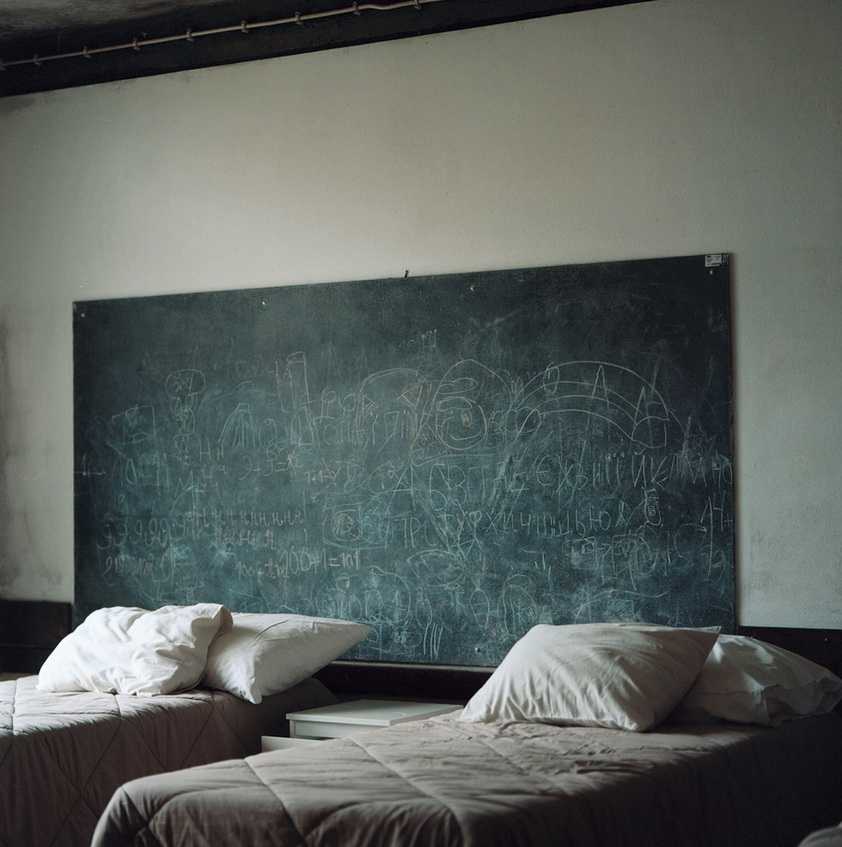
Under the artistic direction of Virgílio Ferreira and Jayne Dyer, Bienal’25 is structured around four thematic axes—CONECTAR, SUSTENTAR, ViViFiCAR, and EXPANDIR—bringing together artists, curators, and organizations to propose strategies for a more sustainable, inclusive, and interconnected world.
CONECTAR investigates photography’s ability to reveal, connect, and challenge perceptions. Lightseekers explores photography’s dual function as revelation and mysticism, featuring artists like Claudia Andujar, Hoda Afshar, Pariacaca, Christo Geoghegan, and SMITH who engage with forgotten histories, colonial resistance, and spiritual visions. In Depth of Field, Mónica de Miranda examines new landscapes that disrupt Western constructs of time and history. Kathrin Stumreich’s Mid-air Collisions critiques renewable energy infrastructures, exposing the ecological costs of solar power. Luca Locatelli’s series Future Studies questions perpetual economic growth, capturing survival strategies from unique aerial perspectives. Odair Rocha Monteiro’s I Don’t See Colour deconstructs racial neutrality, while Sara Orsi’s Open Structures exposes digital architectures that exclude marginalized communities.
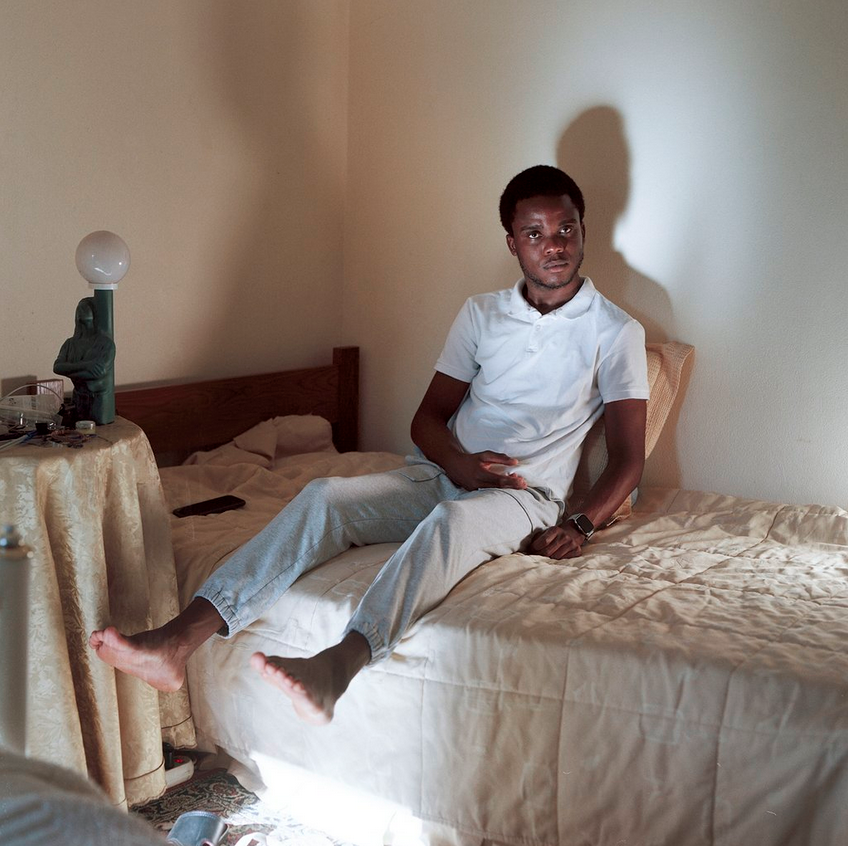
SUSTENTAR examines sustainability, ecological interdependence, and human intervention. Carlos Trancoso’s Urbanarium reflects on Porto BioLab, a forest-laboratory optimizing urban ecosystem services. In Rhizomes Joana Dionísio explores local community activism in the protected geopark of Algarvensis as a tool bridging social and environmental sustainability. Catarina Braga transforms scientific research into digital imagery, illustrating biodiversity’s intersection with technology while Gonçalo C. Silva explores Europe’s largest man-made lake Alqueva’s fragile existence, contrasting submerged lifelines with climate-induced aridity.
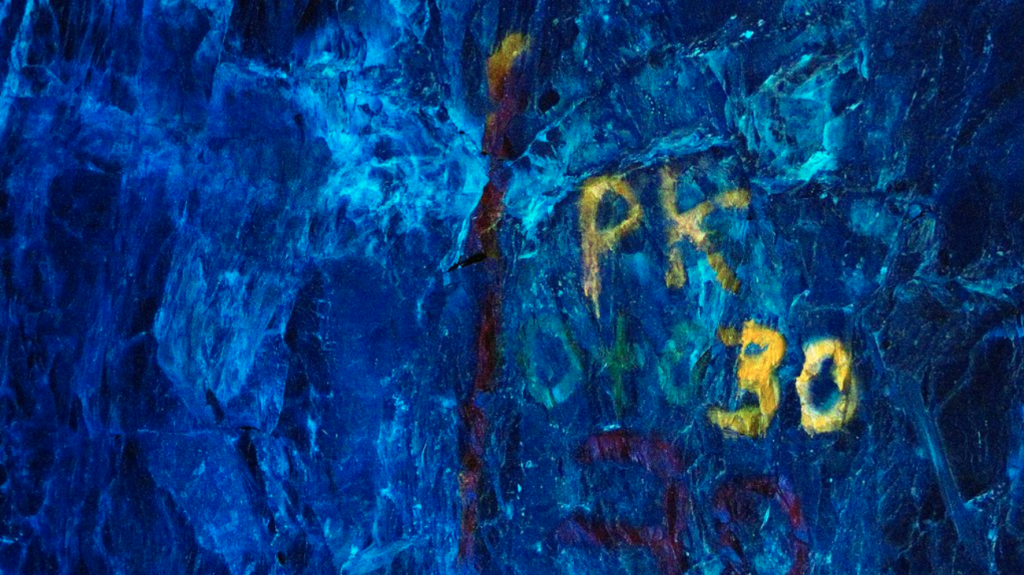
The ViViFiCAR project connects artists with rural communities through participatory creation exploring themes of human-nature ties, land sustainability, migration, identity, and Portugal’s history of emigration. Lara Jacinto‘s residency in Sabrosa in the Douro region, focuses on portrait studies of recently arrived migrant populations from across the world, highlighting the history of a geography shaped by emigration. Augusto Brázio’s work reinforces human belonging in Torre de Moncorvo’s ecosystem, while James Newitt’s video installation examines mining as a metaphor for past, present, and future, while alluding to what lies beyond the distant gaze in Mêda.
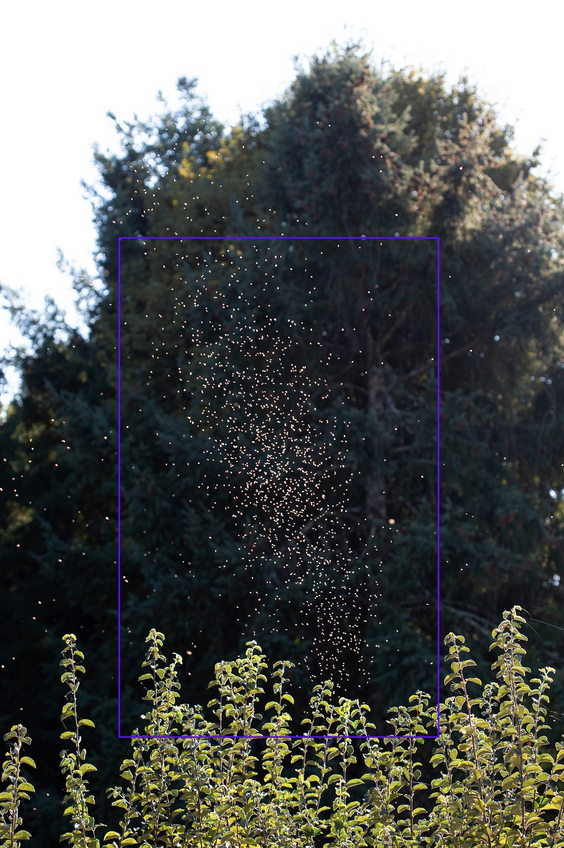
EXPANDIR examines interconnected social and environmental structures, bringing together emerging artists to explore relationships between technology, ecology, and human resilience. In The Extraterritoriality of Toxicity, students of the Royal College of Art explore artificial toxicity’s impact on human and non-human bodies through the Douro river, seen as a fluid archive of post-natural relations. Ties that Bind, a traveling exhibition presented with the European Union photography platform FUTURES explores new forms of belonging, connection, and kinship. Seven selected artists navigate these dynamics, revisiting affective, territorial, and technological relationships in a search for reconciliation with our fractured worlds.


