
DON QUIXOTE. AI WEIWEI. until 18 may 2025. MUSAC, Museo de Arte Contemporaneo de Castilla y Leon – Spain
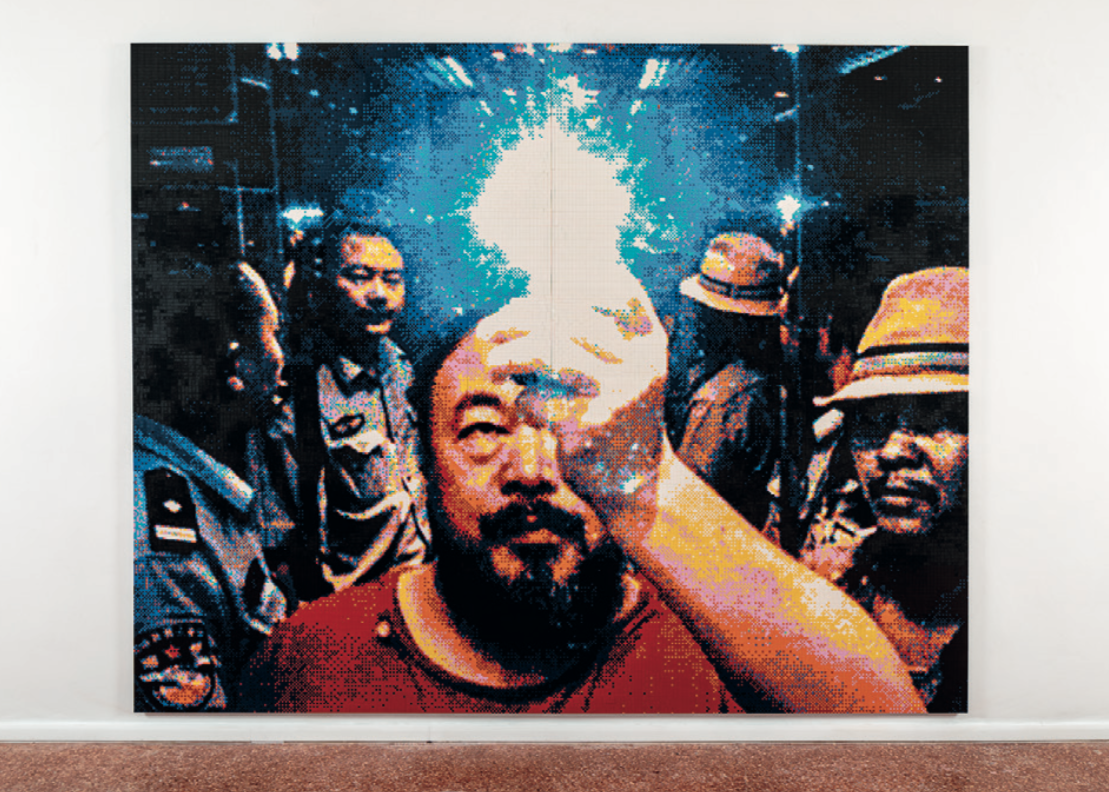
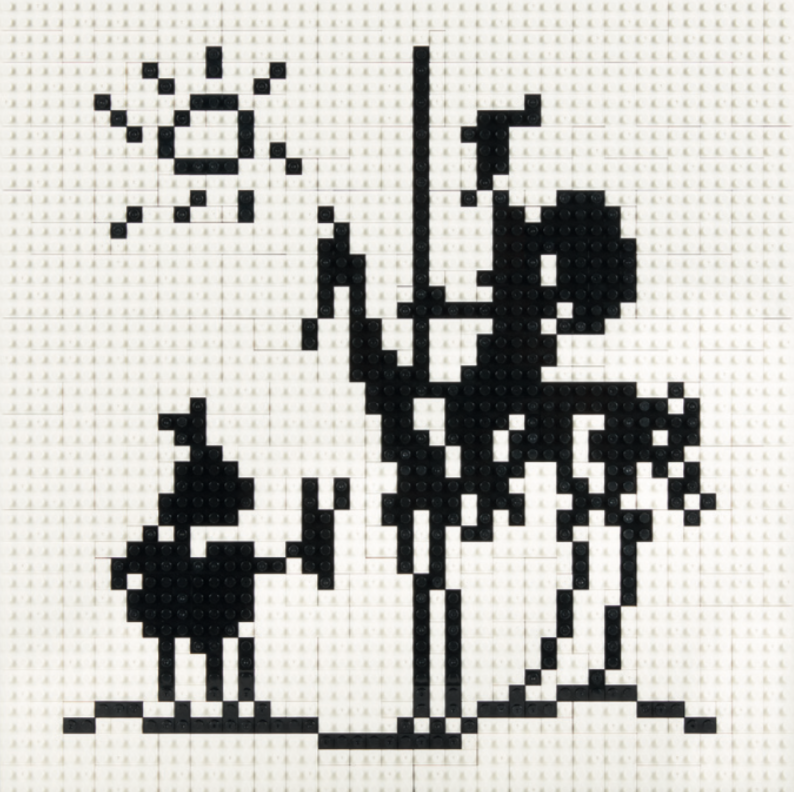
Ai Weiwei: Don Quixote is an extensive exhibition featuring pieces produced over the past 20 years of the career of this essential creator in the international art scene, known for his ability to merge art and political activism. It is also the first exhibition to extensively showcase his series of paintings made with LEGO bricks. In reference to these, the artist states: “LEGO, like ancient mosaics, textile and carpet designs, or wooden movable-type printing of the Song Dynasty (ca. 1000 AD), embodies a sense of timelessness.”
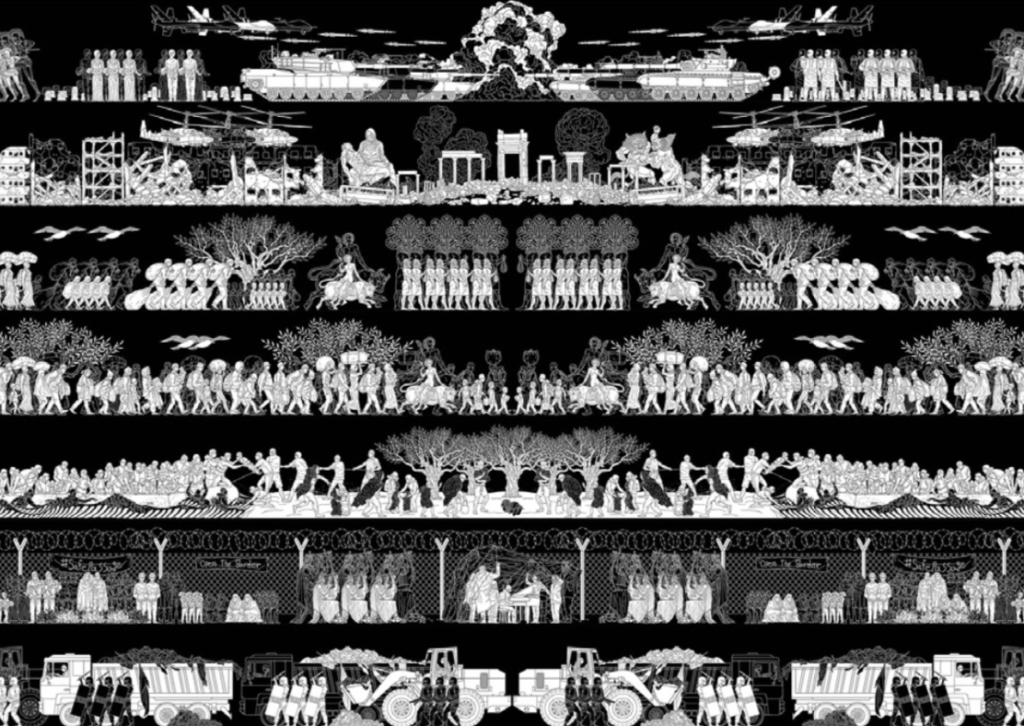
The project will also feature a selection of installations and monumental works. Among them, if there is one seminal piece that will be on display, it is La Commedia Umana (2017-2021), a chandelier made with 2,000 pieces of black Murano glass and standing over eight meters tall, which speaks to us about the cycle of life and death. Its production lasted four years. The exhibition traverses Ai Weiwei”s central themes, intertwining autobiographical aspects with issues such as the refugee crisis, international politics, or the impact of artificial intelligence on the future of human development.
Ai Weiwei leads a diverse and prolific practice that encompasses sculptural installation, filmmaking, photography, ceramics, painting, writing and social media. A conceptual artist who fuses traditional craftsmanship and his Chinese heritage, Ai Weiwei moves freely between a variety of formal languages to reflect on the contemporary geopolitical and sociopolitical condition. Ai Weiwei’s work and life regularly interact and inform one another, often extending to his activism and advocacy for international human rights.
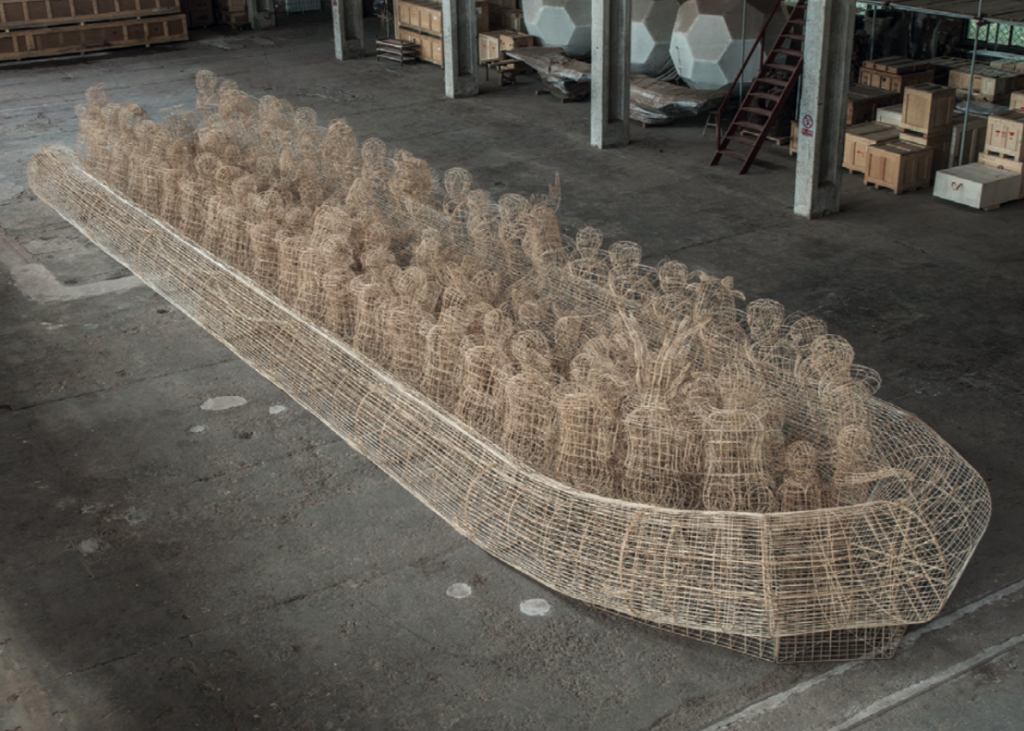
“Ai Weiwei freely uses readymades and objets trouvés, concepts that originated with Marcel Duchamp, which we find here in works like Lotus (2016) and Olive Tree Roots (2021). He often works with traditional Chinese techniques—as in the two monumental pieces made of bamboo—that transport us to the Ming dynasty (1368–1644). Along the exhibition itinerary, we also see how Ai translates linguistic tropes from the Chinese language into visual terms. One example is A Spring with Caomina (2019), which alludes to the image of an alpaca that has become a symbol of resistance against internet censorship. The show reflects Ai Weiwei’s major humanist concerns, from the refugee crisis and the defence of freedom of speech to what the artist himself calls the decline of humanitarianism, which comes through in much of his oeuvre. Ai Weiwei works in the fields of sculptural installation, filmmaking, photography, ceramics, painting, writing and social media”. Álvaro Rodríguez Fominaya MUSAC Director


